✦CROWNBREAK COVEA MARITIME CHRONICLE
THE YEAR 1676   ·   SAIL, STEEL & SHADOW   ·   THE FAR SOUTH SEAS

THE SECOND CHAPTER

The People

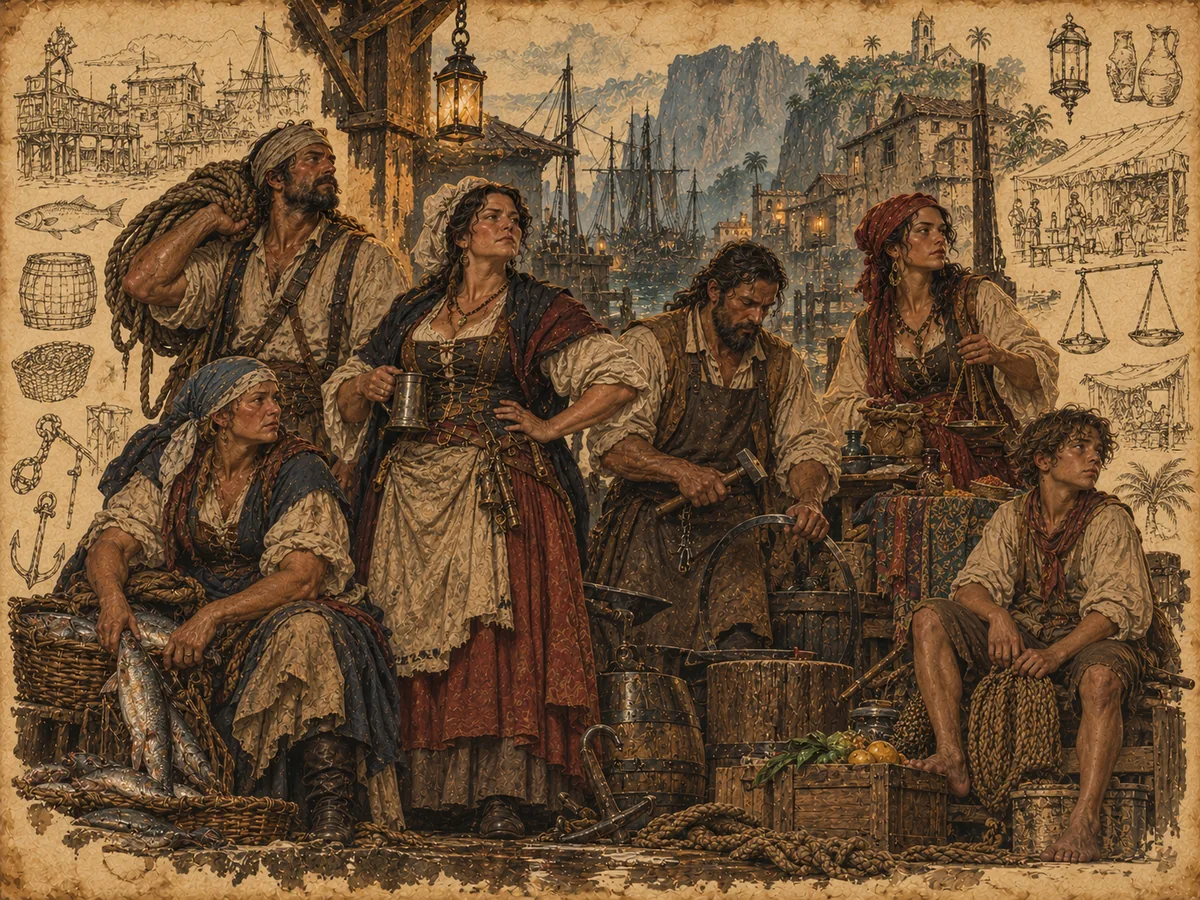
No single crown, trade, ancestry, or profession defines those who come to Crownbreak. These are starting points for your own story.

ORIGINS, NOT RACES

Choose a Life, Not a Class

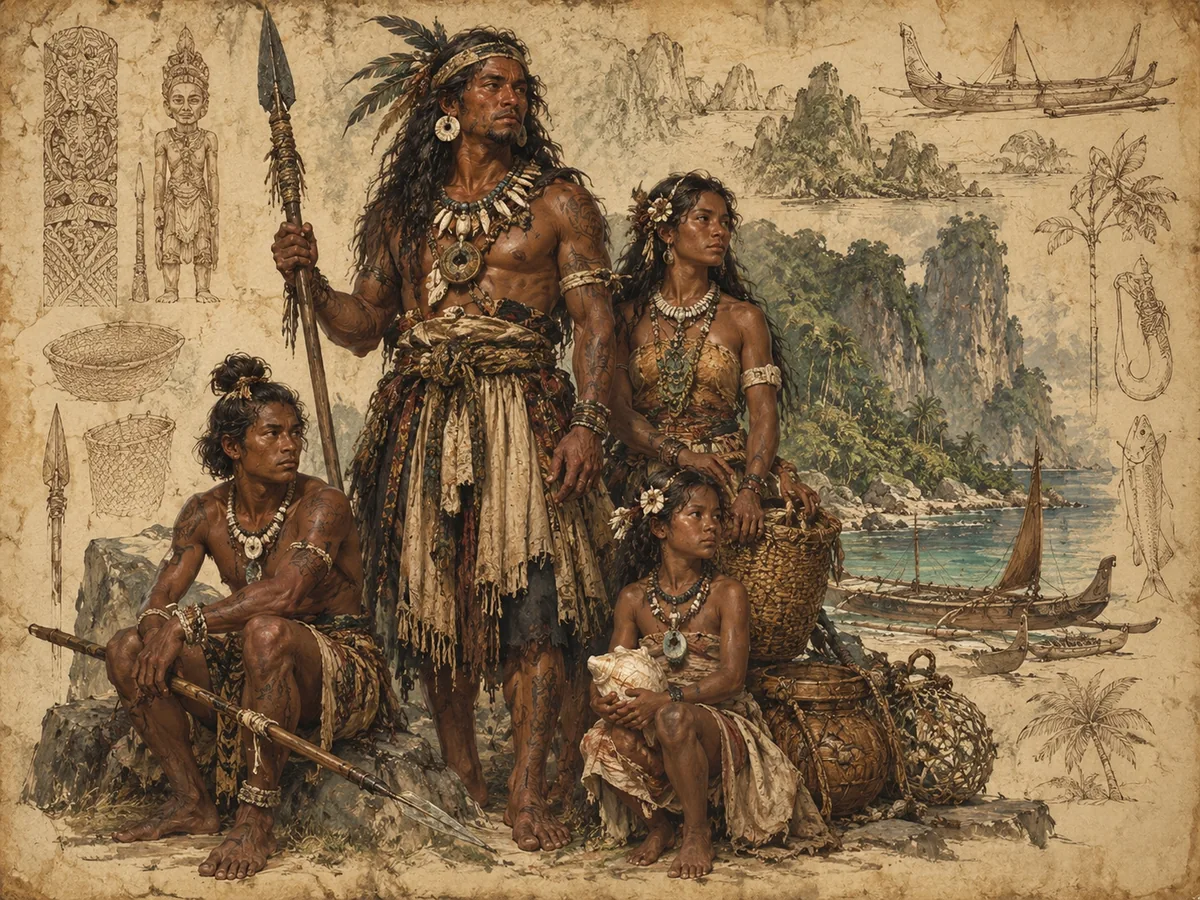
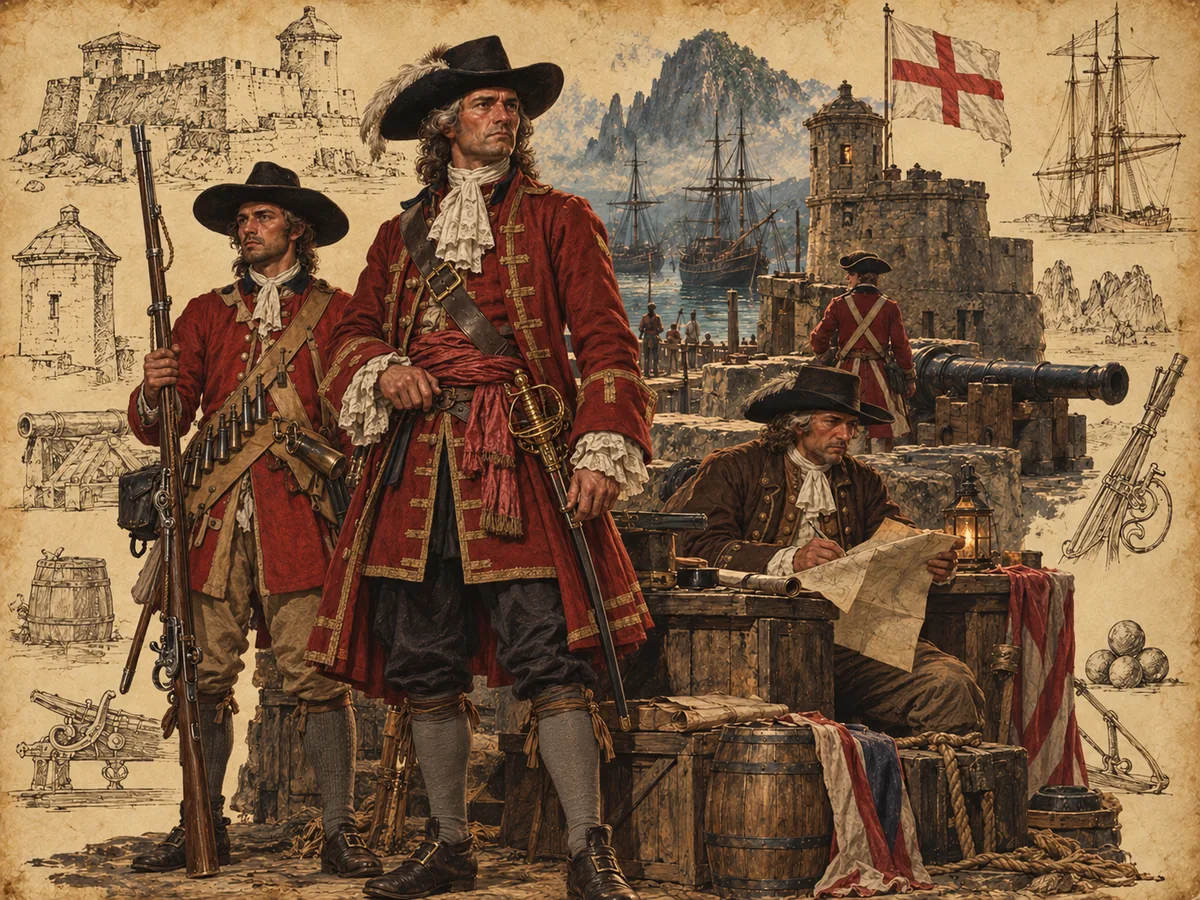
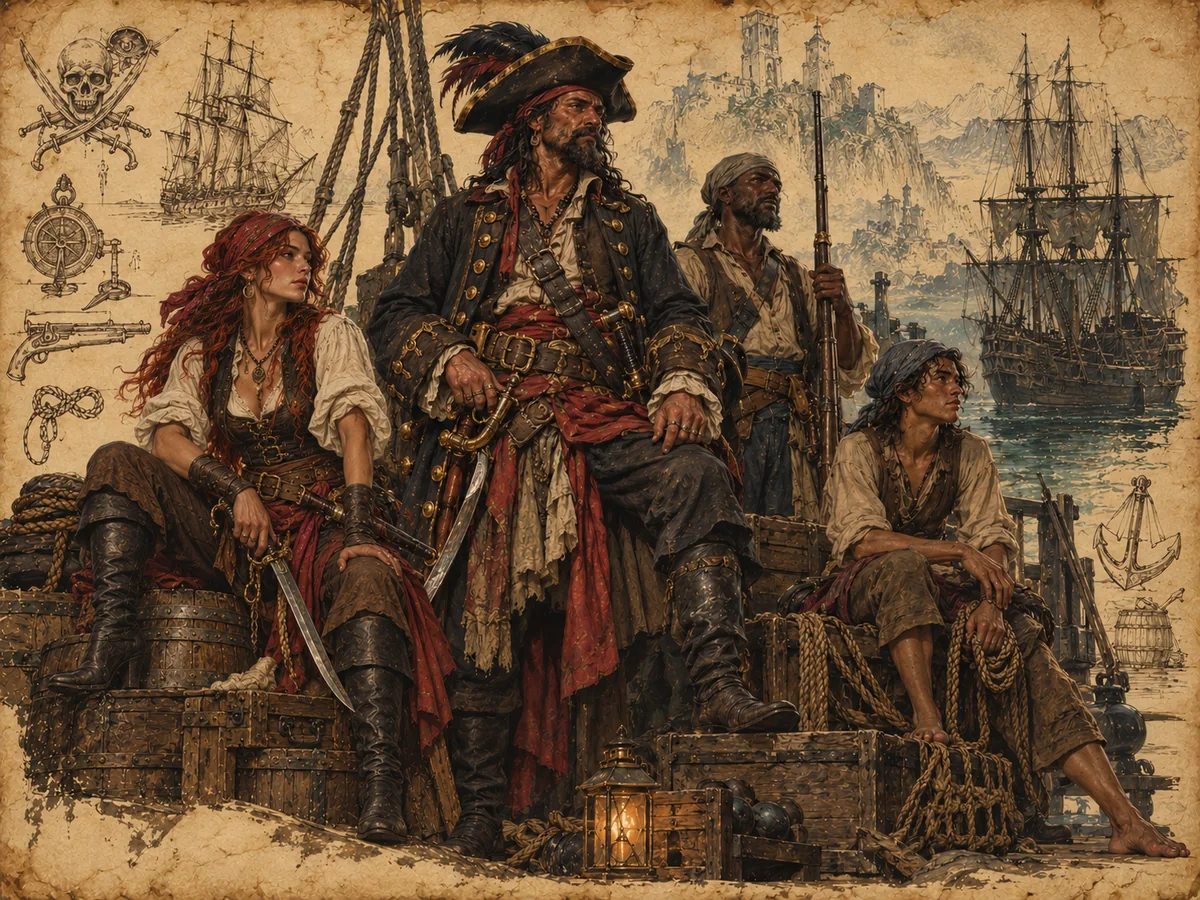
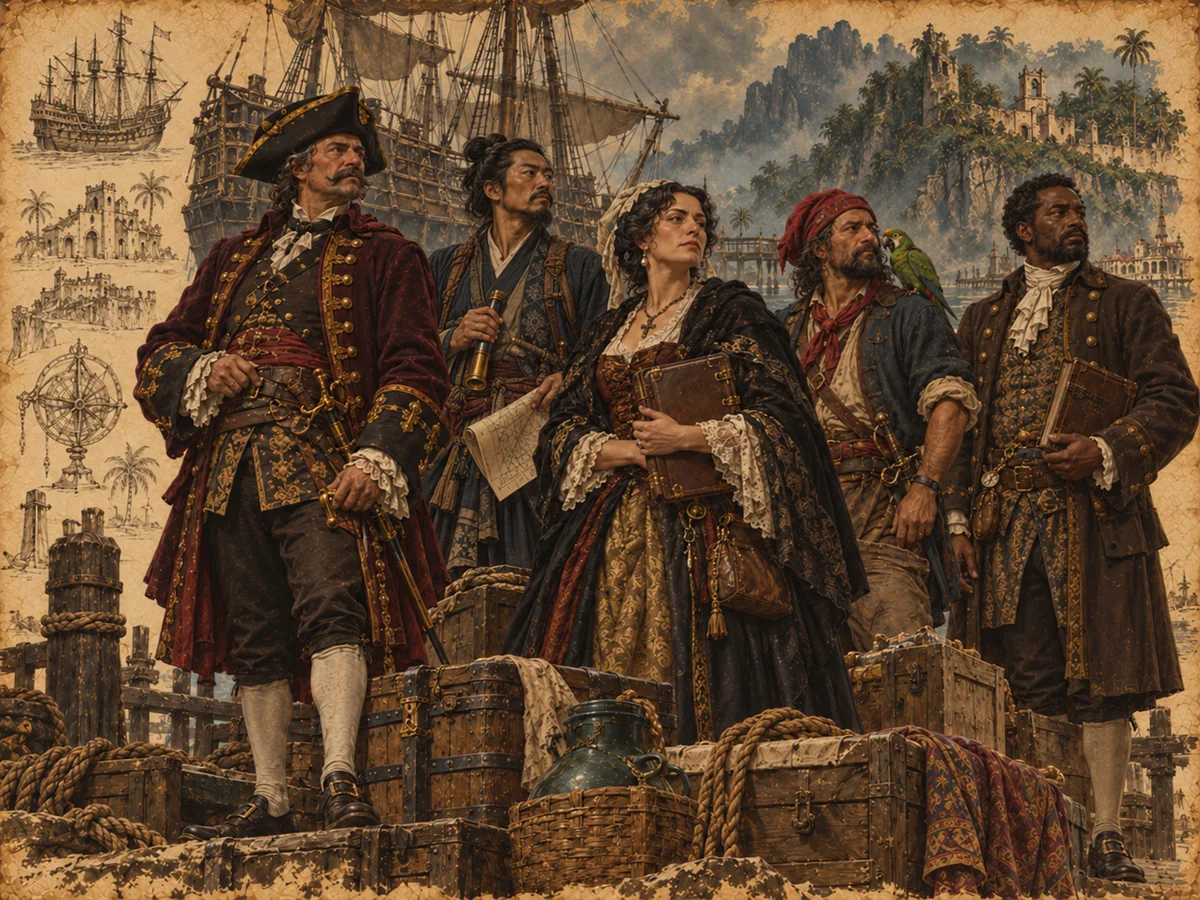
Long before foreign flags reached these islands, the people of Orunai-Wipó knew their shores and currents. Today, in 1676, many lives and loyalties meet at Crownbreak Cove.

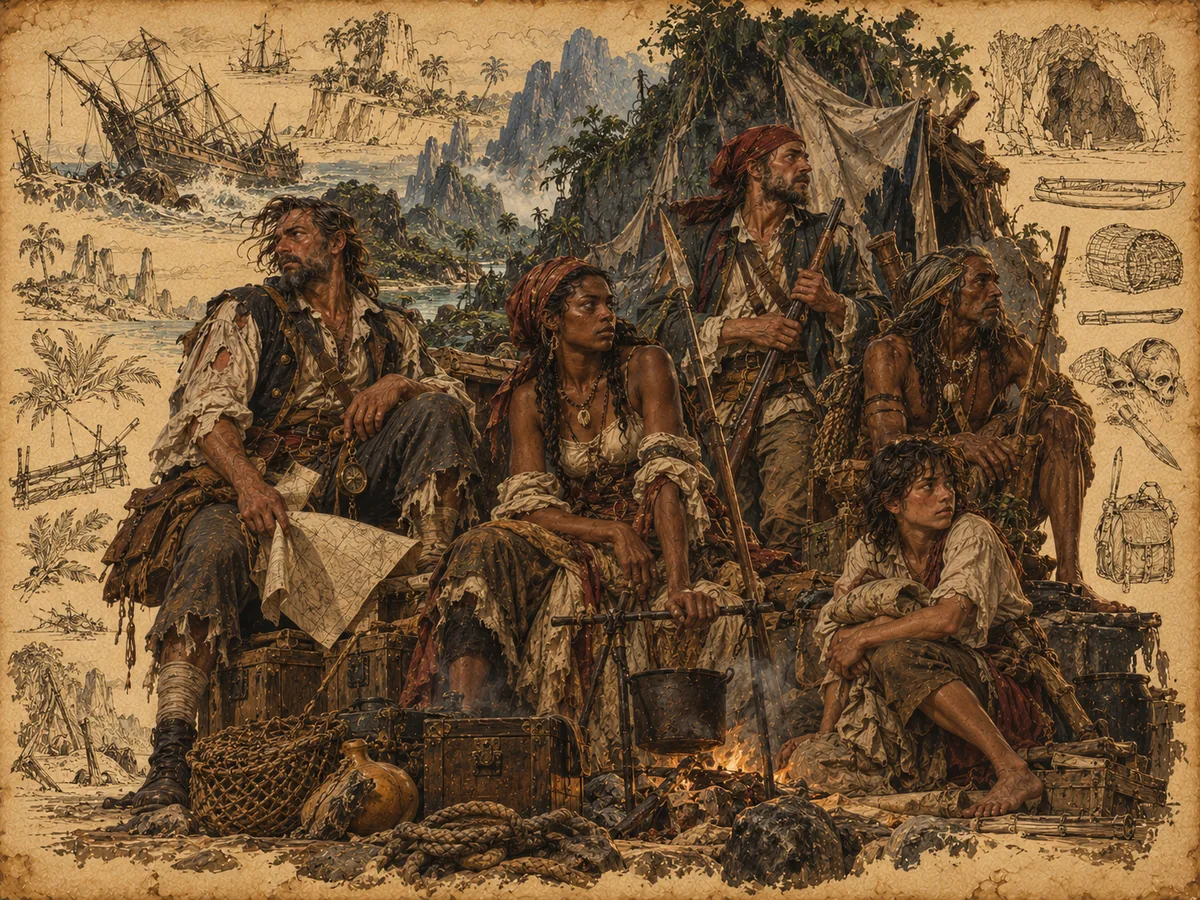
These backgrounds are invitations, not rigid classes, ancestry requirements, or compulsory allegiances.

BEYOND ORDINARY BACKGROUNDS

Uncommon Paths & Uncertain Tales

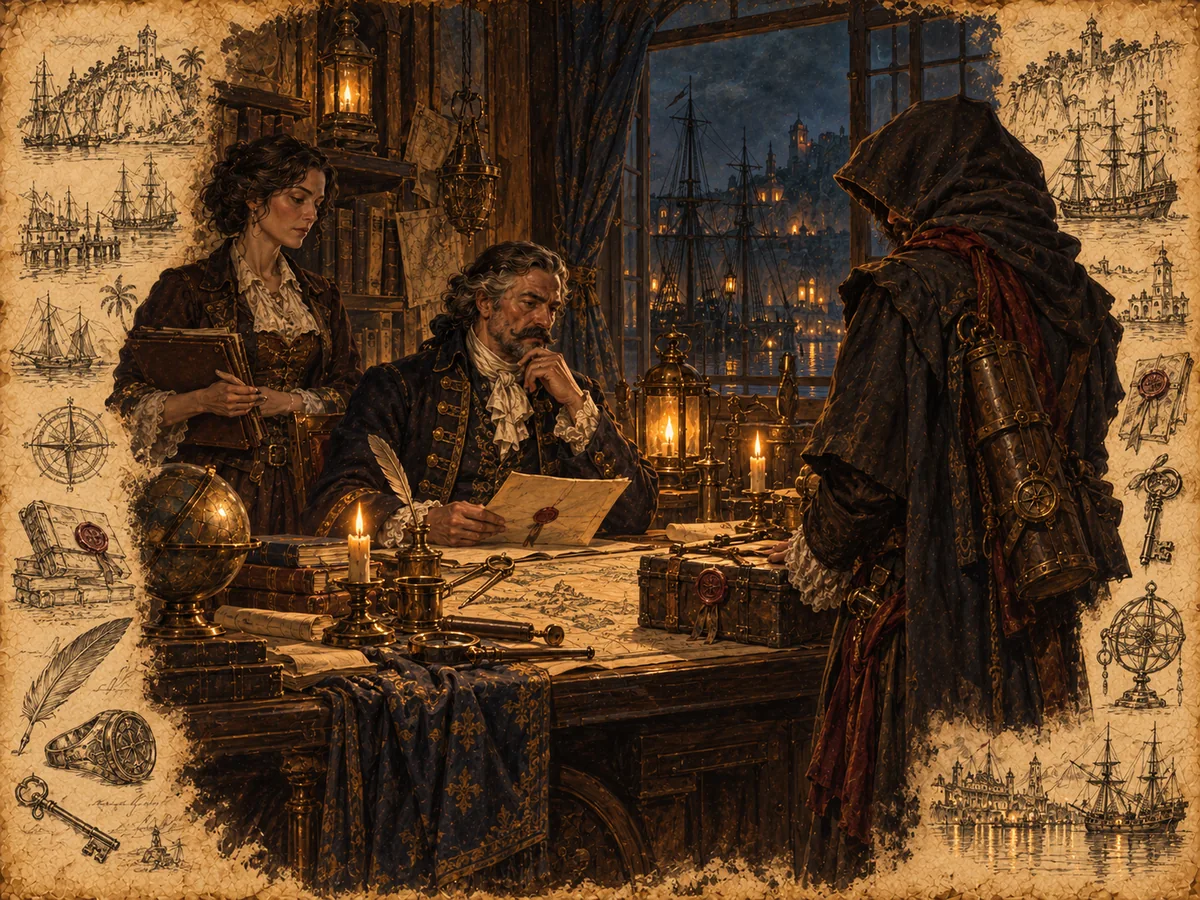
Some stories require special permission. Others belong first to the mysteries and dangers of the islands.

NOTES FROM THE CHRONICLE

What the Old Accounts Say

The Hollowmouths of Ulavé

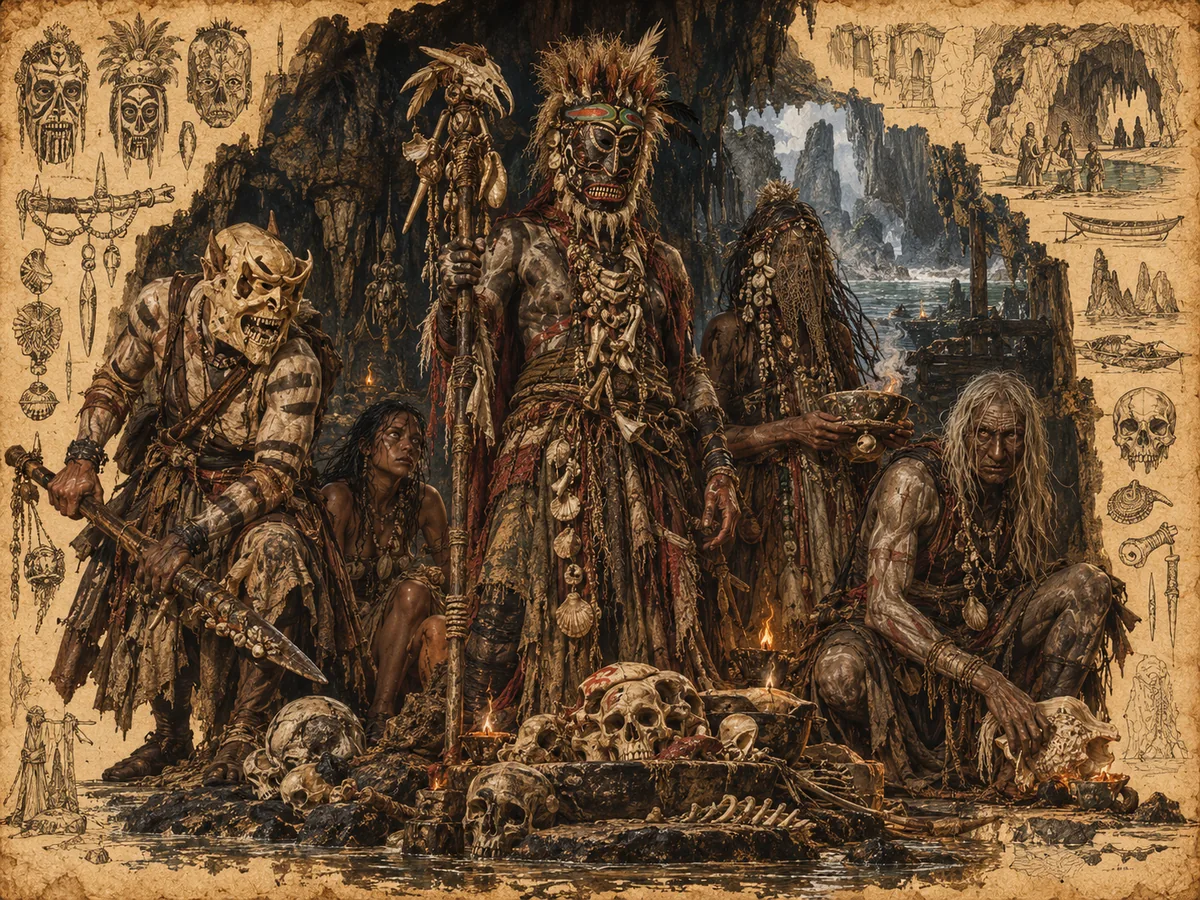
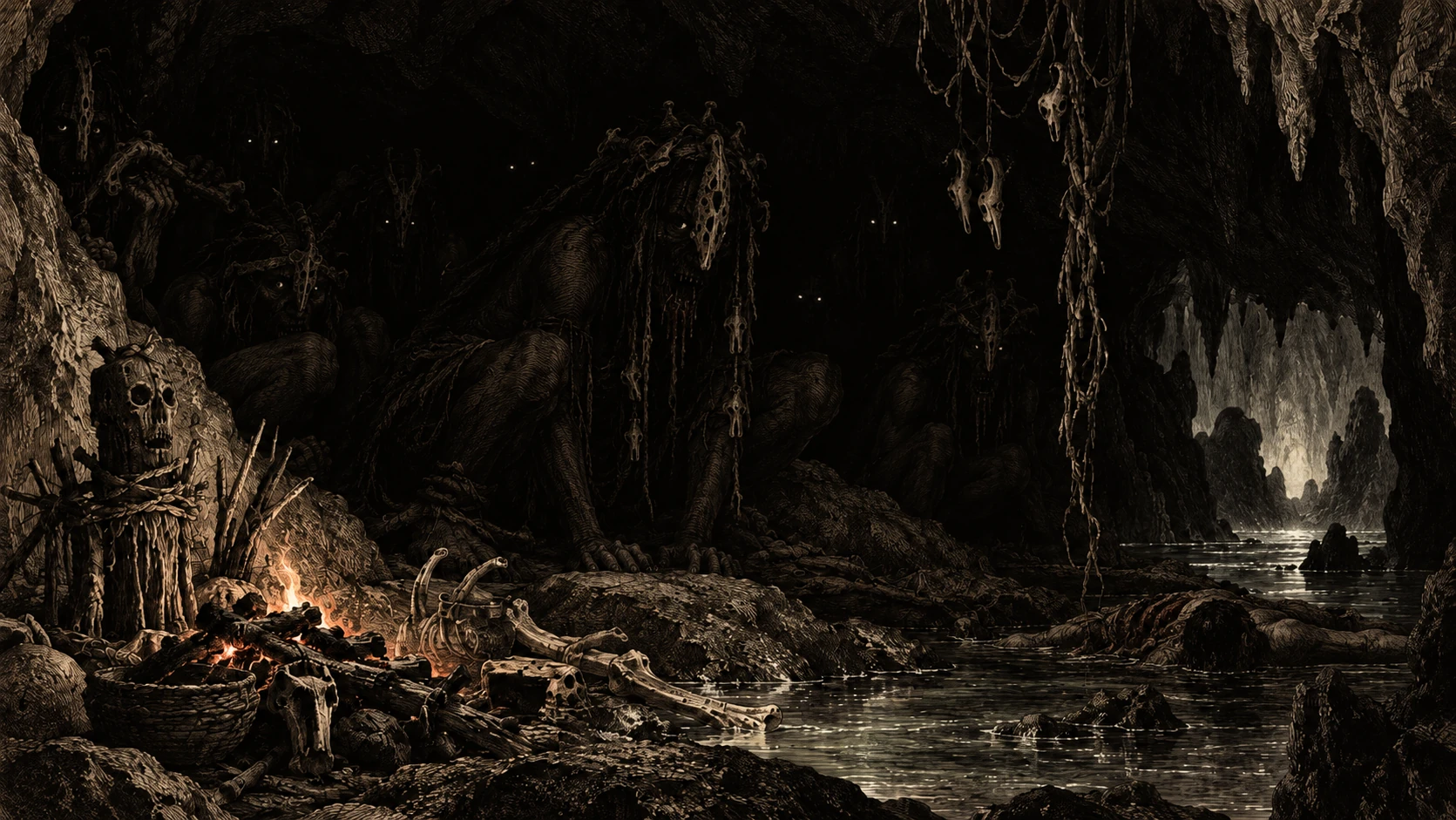
Deep in the caverns dwell the Varkuró, an ancient Indigenous people distinct from the coastal Aruwai. English sailors call them the Hollowmouths; Spanish accounts speak of Los Muerdehuesos, the Bone-Biters. An older Aruwai warning is sometimes rendered in outsiders' speech as the Mawborn.

In 1642, nineteen Dutch sailors landed for freshwater and never returned. Searchers spoke of human remains and the embers of fires within a cave. Later stories claimed the Varkuró killed and devoured them all; no member of the landing party survived to verify what truly occurred. The tale is remembered as the Hollowmouth Feast.

Filed teeth, masks, chanting, and ritual cannibalism appear in fearful reports. Not every account is trustworthy. The Varkuró belong to Ulavé's ancient history; their distant relationship to other Indigenous island communities remains uncertain. Their name does not refer to the Aruwai or to all Indigenous inhabitants, and no fearful account speaks for every Varkuró.

An ominous engraved interpretation of masked figures lurking in Ulavé’s shadowed cavern, with bones, firelight and dark waters